
Treatment policy
ちりょうほうしん
诊疗方针
Prevent serious dental disease with
” MIBYO dental(未病歯科)”.
通过“未病牙科(MIBYO dental)” 预防严重的口腔疾病
You’ll regret it if you don’t know! The new common sense of health, ‘MIBYO(未病)’.
不了解就会后悔! “未病” 是新的健康常识。
What is ‘MIBYO(未病)’?
什么是“未病(MIBYO)” ?
In Oriental medicine, there is a condition where despite undergoing examinations, no abnormalities are found, and thus it is not diagnosed as an illness, yet it cannot be considered healthy either. This is referred to as “MIBYO(未病).” This often refers to a state where it is predicted that if left untreated, it may develop into an illness.
reference source “goo Dictionary(未病)”, source “Digital Daijisen” (published by Shogakukan)
在东方医学中,有一种状态:检查没有发现异常、无法被诊断为疾病,但也不能说是健康。
这种状态称为“未病(MIBYO)”,指如果不处理,将来可能发展成疾病。
参考来源:“goo 词典(未病)”、小学馆《数码大辞泉》
The term ” MIBYO(未病)” originally carries a negative connotation. However, in today’s rapidly aging society, ” MIBYO(未病)” is undergoing a transformation into a new concept of health. It is changing into positive language that refers to efforts to confront the pre-illness stage.
Our clinic advocates for the concept of “MIBYOSHIKA (MIBYO dental)” and promotes dental treatment at the pre-illness stage.
“未病” 一词原本带有负面含义,但在快速老龄化的社会中,它正转变为一种新的健康理念。
它逐渐成为一种积极的表达方式,用来强调提前预防疾病的重要性。
本诊所倡导“未病牙科(MIBYO dental)” 理念,推进在疾病发生前阶段开始牙科治疗。
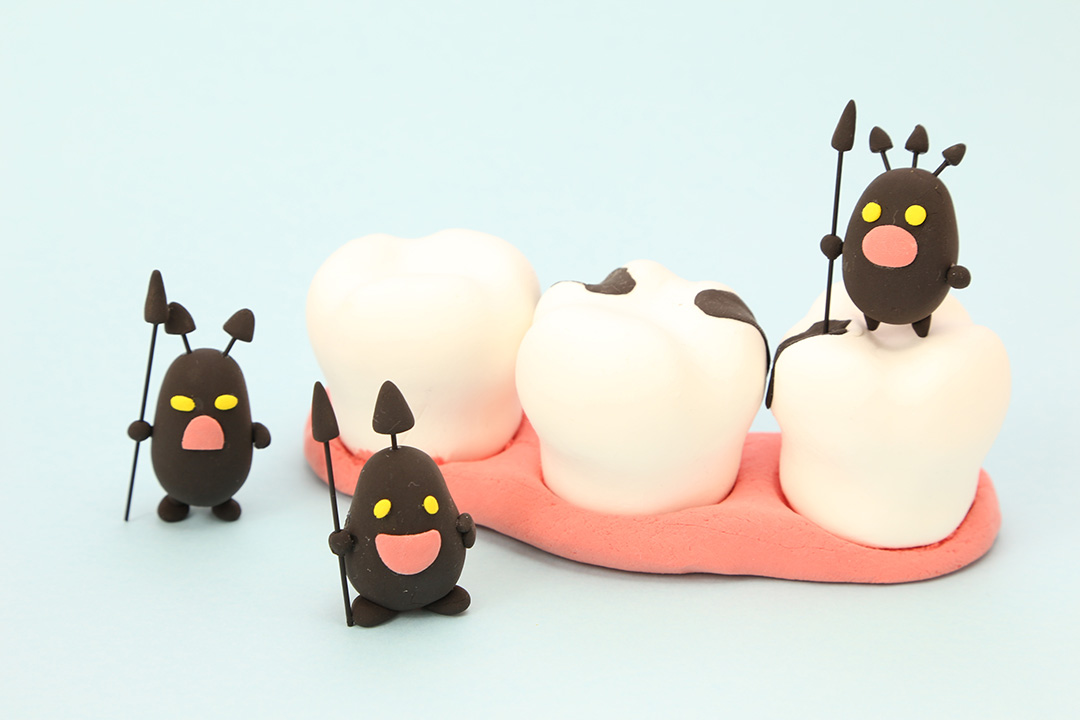
Before this happens…
在这种情况发生之前…
Starting treatment after falling ill can be a difficult process. Since it’s not possible to restore teeth that have already deteriorated, it often leads to intense regret.
Also,dental health is closely linked to lifestyle diseases such as diabetes and heart disease.
在生病后才开始治疗往往非常困难。已经恶化的牙齿无法恢复,最终常会让人深感懊悔。
此外,口腔健康与糖尿病、心脏疾病等生活习惯病密切相关。
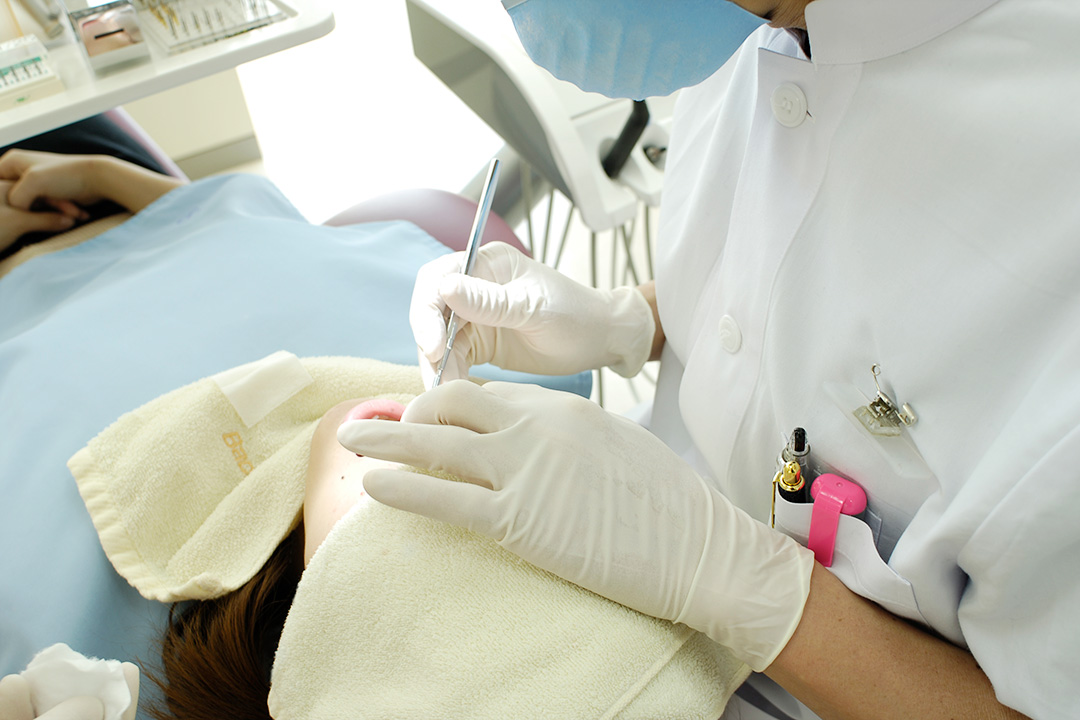
Get regular dental checkups
定期进行口腔检查
So,We hope to convey to everyone the importance of taking measures from the stage of pre-illness through our treatment policy at this clinic.
本院希望通过我们的诊疗方针,向大家传递从“未病” 阶段就开始采取预防措施的重要性。
Let’s learn about the importance of
” SHIKANARE(歯科慣れ)”
让我们一起了解“歯科慣れ(SHIKANARE)” 的重要性。
Our clinic aims for a future with zero dental phobia through stress-free dental treatment.
本诊所致力于通过无压力的牙科治疗,实现“零牙科恐惧” 的未来。
“My child is afraid of the dentist.”
“Even as an adult, I still dislike going to the dentist.”
“我的孩子害怕看牙医。” “即使是成年人,我还是不喜欢看牙医。”
Many people, regardless of age or gender, may have such concerns. The reason why people find dentists frightening is often because dental treatments are often associated with pain. Some may have experienced dental treatments during childhood, leading to trauma.
无论年龄性别,许多人都有类似困扰。
人们觉得牙医可怕,往往因为把牙科治疗与疼痛联系在一起。
有些人在儿童时期经历过牙科创伤,从而留下阴影。
However, please consider this. The root cause of fundamental pain arises from diseases such as cavities and periodontal disease, and it is not something that occurs as a result of treatment.
但请想一想:真正造成疼痛的是龋齿、牙周病等疾病本身,而不是治疗。
If you are healthy, you may not need to have your teeth filed, and you won’t have to endure painful experiences if you can maintain that state. Therefore, our clinic recommends fostering dental familiarity from childhood. In Japan, there has long been a concept of overcoming fear through “NARE(慣れ)=getting used to” something. Based on this approach, our goal is to help people become accustomed to “SHIKA(歯科)=dental treatments”.
如果牙齿健康,就不需要钻牙,也无需忍受疼痛。
因此,我们建议从小培养“与牙科相处的习惯”。
在日本,自古以来就有“慣れ=习惯化,通过熟悉克服恐惧” 的观念。
Let’s go through the procedure for ” SHIKANARE(歯科慣れ)” using a 1.5-year-old child as a model.
让我们以1.5 岁的孩子为例,介绍“歯科慣れ(SHIKANARE)” 的步骤。
步骤1
First visit to Bell Dental Clinic. Please come to our clinic with your child.
第一次来到贝尔牙科。请带着孩子来就诊。
步骤2
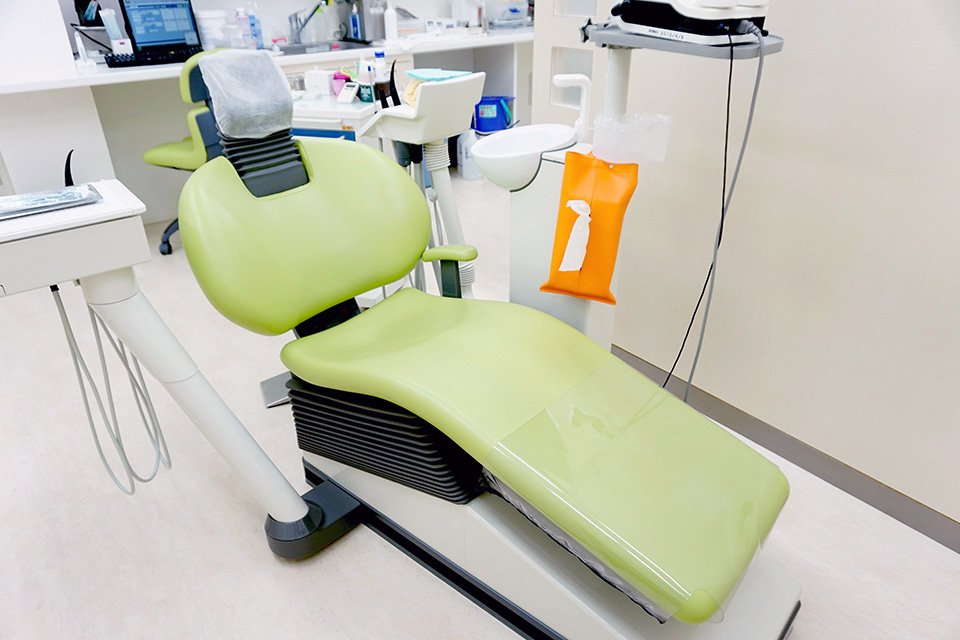
Let’s have your child sit in the dental unit. Our clinic staff will not force anything.
让孩子坐上牙科椅。我们的工作人员绝不会强迫孩子。
步骤3
If your child has taken a seat in the unit, let’s try talking to the doctors. We will do our best to fulfill children’s requests such as ‘I want to touch the tools.
如果孩子能坐好,我们会与其轻松对话,并尽量满足孩子的愿望,例如“我想摸摸工具”。
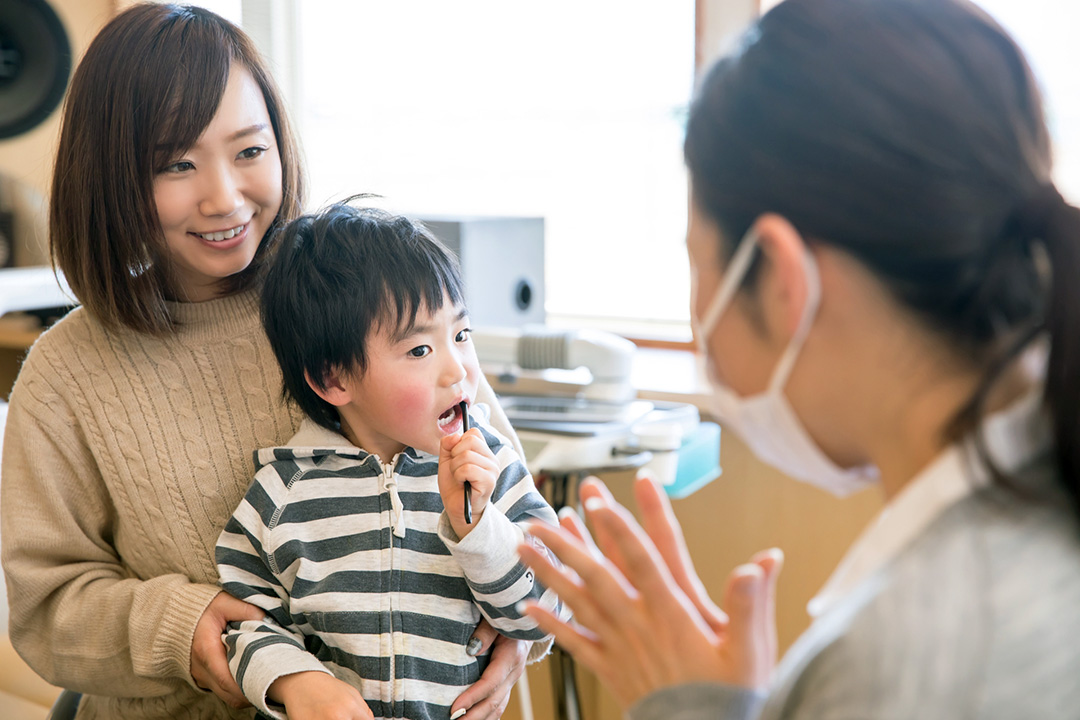
It’s very simple, just repeat this process. Some children show changes after 2 to 3 clinic visits.
方法非常简单,只需重复这些步骤。有些孩子在2~3 次就诊后就会有明显变化。
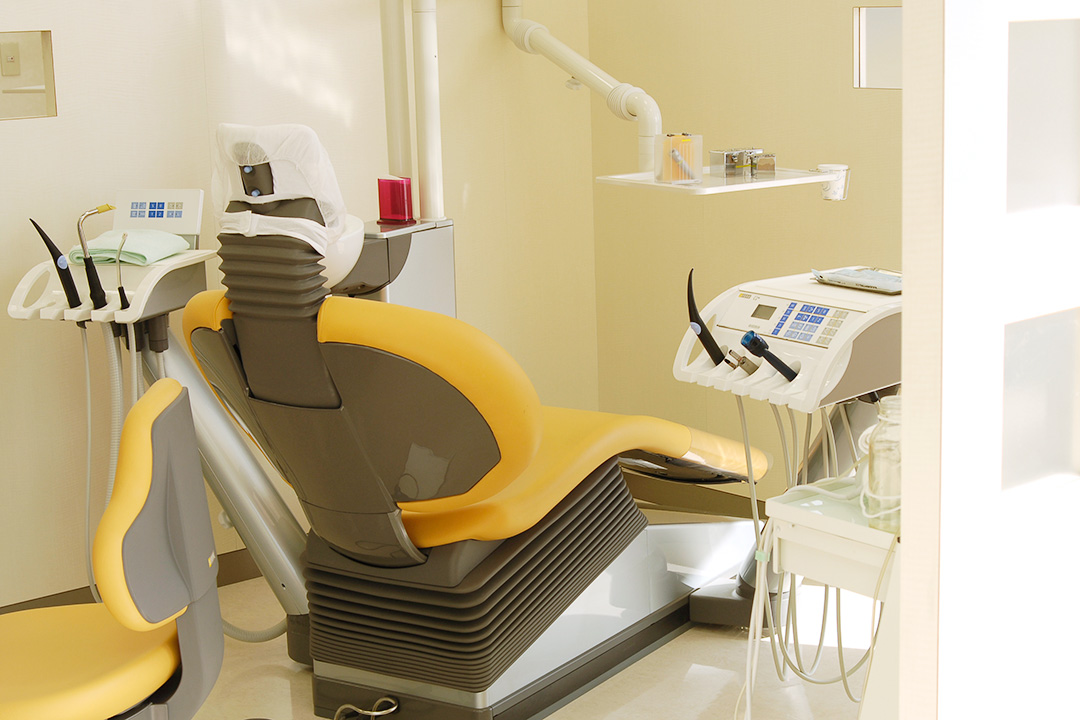
Make hospital visits a daily routine
让就诊成为一种生活習慣


